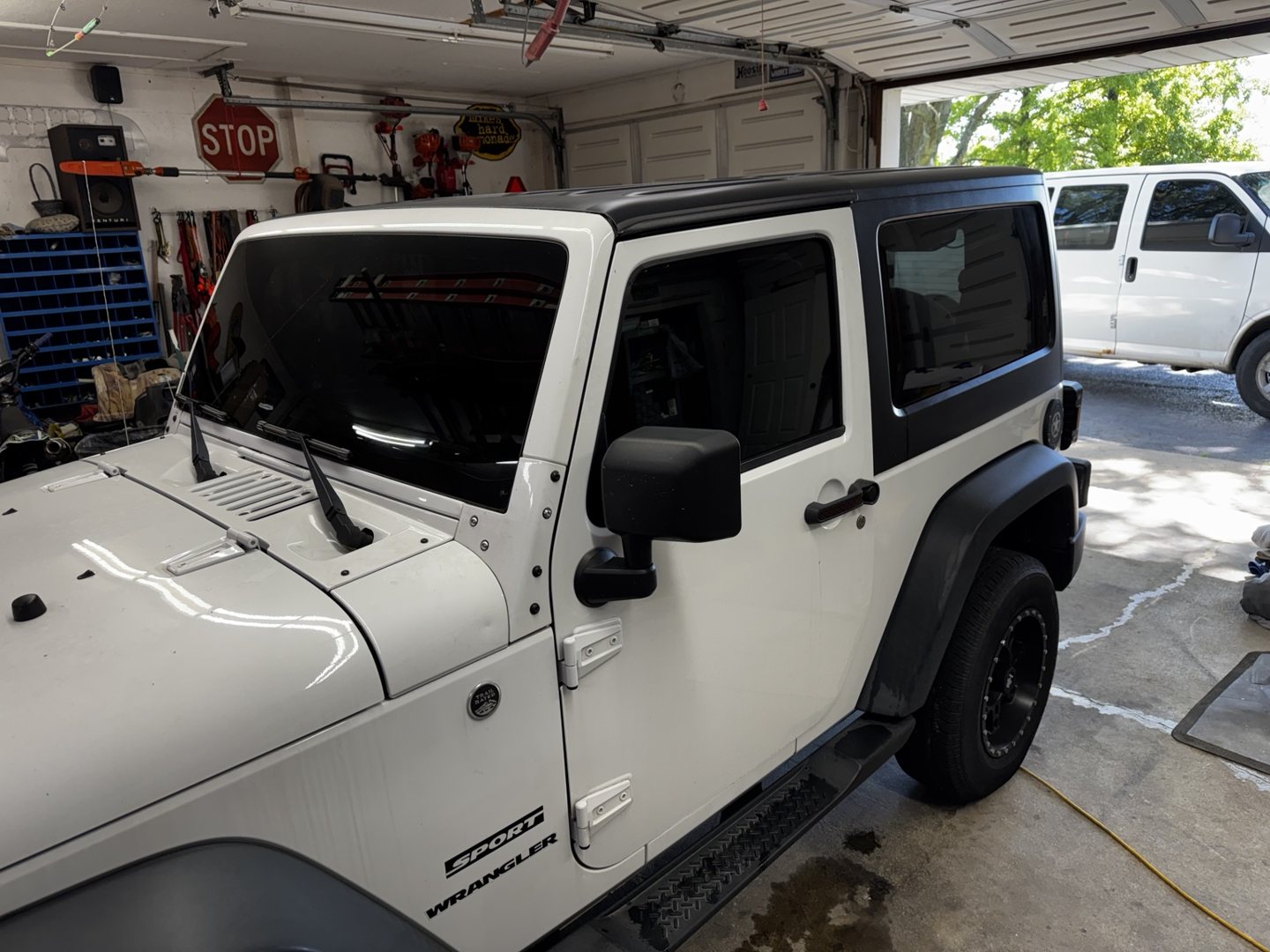
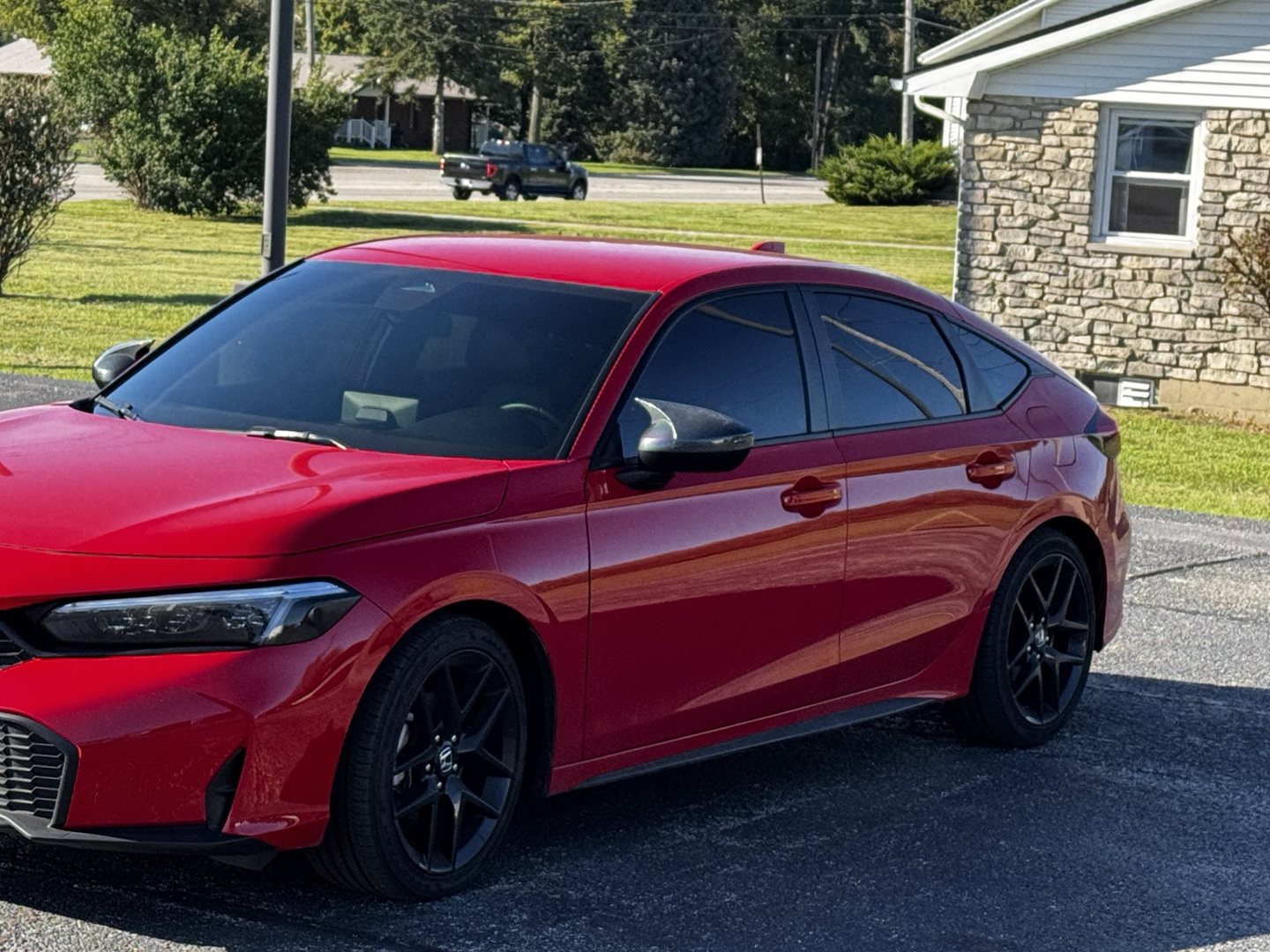
Preview your shade in the Virtual Tint Studio
Tint designed for real driving
We help you choose a film option that fits the look and performance you want, then install it with careful preparation and clean edges. Ask about legal film options for your vehicle and location.
- Automotive window film for cars, trucks, and SUVs
- Heat, glare, and UV reduction
- Privacy and appearance upgrades
- Clean professional installation
- Mobile appointments where conditions allow
Ceramic tint: compare comfort, not just shade
Two films with similar darkness can manage heat differently. When comparing ceramic and standard film, consider visible light transmission (how much light passes through), total solar energy rejection, color, and the manufacturer’s specifications for the selected product.
A lighter heat-control film may suit drivers who want comfort while keeping more visibility. Tell us how you use the vehicle, which windows you want covered, and whether existing film needs removal. We will discuss available options and legal suitability before quoting.
Questions customers ask
How much does automotive window tinting cost?
Pricing depends on the vehicle, windows covered, film type, and whether old film needs removal. Text your year, make, model, city, and the windows you want tinted to 765-914-2333 for a project-specific quote.
What is ceramic window tint?
Ceramic tint uses ceramic-based technology to manage solar heat without relying on a very dark shade. Ask which ceramic options are available for your vehicle and compare the selected film’s published performance.
How does ceramic tint compare with standard tint?
Standard dyed film is often chosen for appearance, shade, and privacy. Ceramic options can offer stronger heat control at a similar visible shade, depending on the product. Compare total solar energy rejection, visible light transmission, appearance, and price—not darkness alone.
Does window tint reduce heat?
Solar-control film can reduce heat entering through the treated glass. Results depend on the product, glass, sunlight, and coverage. Tint does not keep a parked vehicle cool indefinitely or replace air conditioning.
Does window tint block UV rays?
Many automotive films reduce UV transmission through treated windows. The amount is product-specific; ask for the chosen film’s data sheet. Untreated glass and open windows still allow exposure.
How long does automotive tint installation take?
Timing depends on the vehicle, number of windows, film removal, and installation conditions. We confirm an appointment estimate when quoting rather than promise the same time for every job.
How long before I can roll the windows down?
Keep the windows up for the period specified in your installation care instructions. Film and weather affect drying, so follow the installer’s guidance rather than a universal wait time. Ask before lowering a window if you are unsure.
What window tint is legal in Indiana?
Indiana regulates visibility, light transmission, reflectance, and windshield coverage under IC 9-19-19-4. Compliance depends on the glass and film together, window position, vehicle, and applicable exceptions. We can discuss suitable options; review the current Indiana Code, Title 9, Chapter 9-19-19 before choosing a shade. A film’s advertised percentage alone does not establish legality.
Can factory privacy glass be made more heat resistant?
An appropriate solar-control film can add heat and UV control to factory privacy glass. Factory darkness alone does not tell you its heat performance. We review the existing glass and combined shade before recommending a film.
Can you tint my vehicle at home or work?
Mobile tint appointments are available where conditions allow. A clean, suitable work area matters for installation quality. Tell us about access and shelter so we can confirm whether your location is appropriate.